



Tea is one of the beverages that has left a profound mark on Arab culture from its beginnings to the present day, becoming an integral part of it. It is the foremost drink of hospitality and a symbol of generosity at social gatherings, as well as a loyal companion on cold winter nights. Tea’s influence on Arab culture is profound: drinking tea has become one of the customs and traditions embedded in Arab heritage. People take care to find the finest, most elegant tea sets, combining authenticity and modernity, to complete the picture, foster a warm atmosphere with family and friends, and create beautiful, unforgettable memories.
The History of Tea
Tea is considered one of the cornerstones of authentic Arab heritage. Nevertheless, the Arab world was not where it first originated. It began in China, passed through India, and eventually spread throughout the Arab countries.
Tea was first used in China before the Common Era, initially for medicinal purposes. It was discovered as a drink by chance when tea leaves fell into boiling water, and it later became part of everyday life in China.
It then spread to many countries around the world, including Japan and Korea, where it became an important part of their cultures. European traders subsequently introduced tea through trade, and it went on to achieve worldwide popularity.
Tea’s Influence on Arab Culture
Tea is the most popular drink in Arab culture, symbolizing the generosity and warm hospitality for which Arabs are known. It has left an unparalleled mark on Arab heritage and become an integral part of Arabs’ daily rituals. This influence can be seen in the following:
First: Arabic Literature
Writers and poets have celebrated tea in various forms of Arabic literature, including poetry and prose.
It has appeared in literary works as a way for poets to express their powerful feelings and emotions, as well as a symbol of social connection and affection.
Tea reflects how culture shapes people and their customs. It is also a vivid emblem of warm, affectionate gatherings among family, friends, and loved ones.
Second: The Arts
Tea’s influence on Arab culture is not limited to happy occasions or Arabic literature; it extends to the arts, where tea can be seen in famous paintings depicting scenes of social life.
There is also what is known as tea art, used especially in the Arab world to capture people’s attention.
Tea’s influence has extended beyond Arab culture to popular folklore. Many folk tales and legends were told during convivial tea gatherings, in a warm atmosphere that reflects the close-knit nature of Arab communities.
Types of Tea
There are many types of tea, each with its own benefits and characteristics. The most notable include:
First: Green Tea
It is considered one of the best types of tea, containing exceptionally high levels of antioxidants that give it significant health benefits.
It is also used in weight-loss diets because of its effectiveness in helping people lose weight.
It is distinguished by its light green color and distinctive fragrant aroma.
Second: Red Tea
A soothing drink made from the rooibos plant, it is also known as “royal tea” for its attractive color and wonderful flavor.
This tea is usually served with milk and is widely enjoyed in many Arab countries. It contains no caffeine, making it an ideal choice for many people.
Third: Black Tea
One of the most popular types of tea in the Arab world, it is known for its dark color and universally loved flavor. It is also used to promote alertness because it contains caffeine.
It has a rich taste and robust flavor because it is fermented for an extended period. It also helps boost the immune system and support heart health.
Fourth: Spiced Tea
Given tea’s widespread popularity in the Arab world, herbs are sometimes added to enhance its health benefits and improve its flavor. Mint, for example, makes it more refreshing.
Adding ginger, cardamom, cinnamon, and other spices can also aid digestion.
Make a Statement with Tea Sets from Otantik Home
Otantik Home plays an important role in preserving Arab culture and heritage by offering a distinctive collection of products inspired by this culture, enhanced with contemporary touches to suit a variety of interiors. Among its finest offerings are tea sets adorned with sayings that reflect the richness and beauty of Arab culture. They combine exceptional quality with luxurious designs. Some of the most notable sets include:
First: Diwan 12-Piece Tea Glass Set
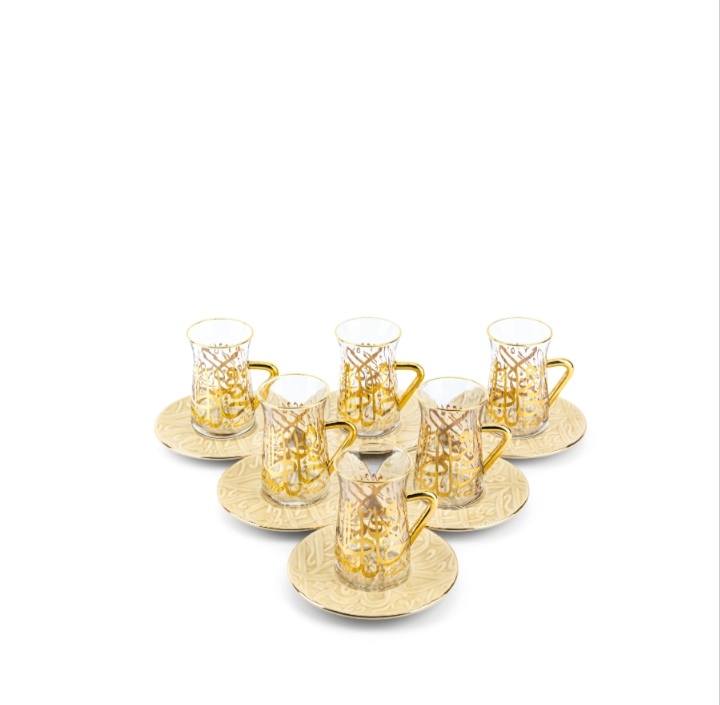
Diwan is one of the most prestigious brands, renowned for its tea and coffee sets, exceptional quality, impressive packaging, and refined contemporary designs. This set helps you showcase your elegant taste, and is adorned with the phrase “You have arrived among your own, and may you find ease and comfort,” which Diwan features on every handcrafted work of art it creates. Otantik Home offers a varied selection of colors, including:
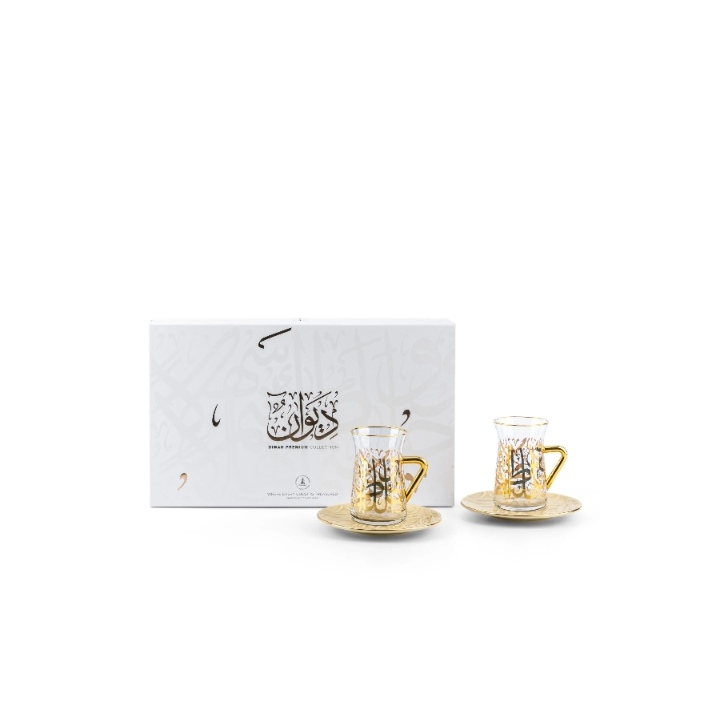
Second: Diwan 12-Piece Tea Cup Set
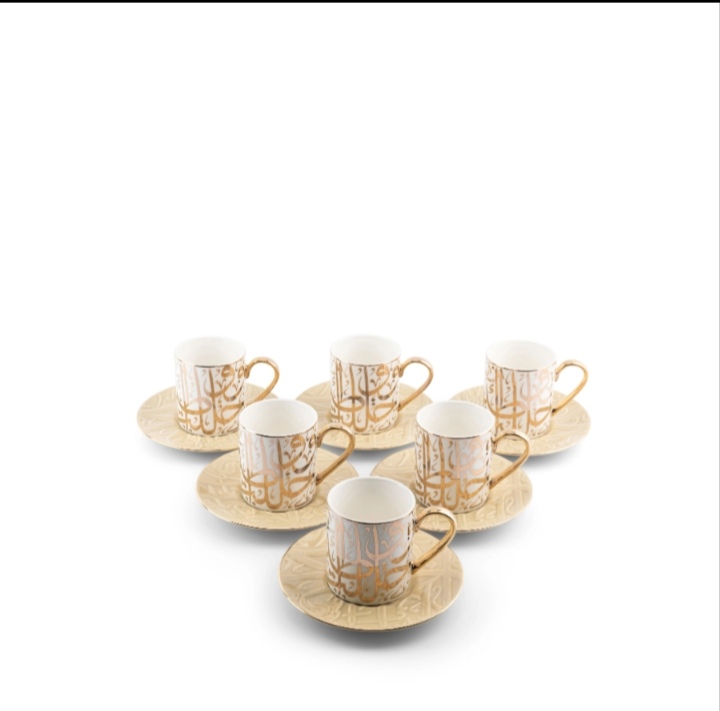
Diwan gives you the chance to stand out with its 12-piece tea cup set, helping you serve hospitality worthy of you. Specially designed for you, this set lets you showcase your elegance and generous hospitality. It includes enough pieces for larger gatherings with family and friends and creates memories that last a lifetime. Its Arabesque and Islamic motifs highlight the set’s authenticity and luxurious appeal, complemented by Diwan’s signature phrase, “You have arrived among your own, and may you find ease and comfort.” Available colors include:
- Diwan Tea Cup Set - Beige.
- Diwan Tea Cup Set - Blue.
- Diwan Tea Cup Set - Green.
- Diwan Tea Cup Set - Ivory.
- Diwan Tea Cup Set - Coffee.
Thirdly: Taj 12-Piece Porcelain Tea Set
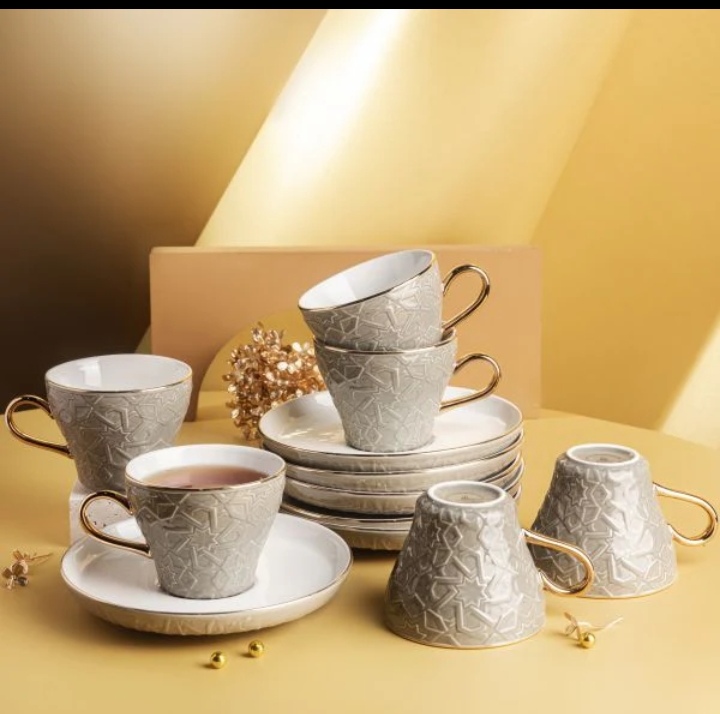
Taj Brand stands out for offering a 12-piece porcelain tea set, made from the finest porcelain to withstand high temperatures, in addition to its elegant modern design, featuring Islamic motifs that add a touch of beauty and serenity to the design. Among the most prominent available colors are the following:
- Taj 12-Piece Porcelain Tea Set - Blue.
- Taj 12-Piece Porcelain Tea Set - Gold.
- Taj 12-Piece Porcelain Tea Set - Silver.
- Taj 12-Piece Porcelain Tea Set - Gold.
- Taj 12-Piece Porcelain Tea Set - Gray.
- Taj 12-Piece Porcelain Tea Set - Brown.
Conclusion
Tea's impact on Arab culture is profound, as it has become the companion of cold nights, a symbol of intimacy and interconnected social relationships. Stories and tales are only enjoyable with it, so it has become an integral part of our original Arab culture, where we live our most beautiful moments with it, which later become the most beautiful memories. Therefore, Authentic Home helps with that by offering a wonderful selection of diverse tea sets that suit your distinctive taste, my lady.
Frequently Asked Questions
What are the most important benefits of tea?
It promotes alertness due to its caffeine content, especially black tea. In addition, it reduces inflammation, promotes heart health, and supports the immune system.
How did tea enter the Arab world?
It entered through trade, specifically by Arab merchants, who brought it from China, particularly during the Middle Ages.
What are the most famous Arab countries known for tea?
It is widespread in many Arab countries, but the most important are Saudi Arabia, Egypt, and Morocco, which are among the countries that use and consume it the most.


